
HCM represents a progressive shift from traditional personnel management, aligning workforce strategies with overall business objectives for sustained organizational growth and success.
Defining Human Capital Management
Human Capital Management (HCM) is a comprehensive approach to managing a workforce, viewing employees not merely as costs, but as valuable assets. This perspective emphasizes strategic investment in employees to maximize their potential and contribution to organizational goals. Unlike traditional personnel management focused on administrative tasks, HCM prioritizes aligning human resources with broader business strategies.
Essentially, HCM encompasses the entire employee lifecycle – from recruitment and onboarding to performance management, learning and development, and ultimately, succession planning. It’s about optimizing the workforce to drive innovation, productivity, and competitive advantage. A well-defined HCM plan, as highlighted by recent insights, is crucial for organizations seeking sustained growth and success in today’s dynamic business environment. It’s a move towards recognizing people as the core of organizational value.
HCM vs. Traditional Human Resource Management (HRM)
Traditional Human Resource Management (HRM) historically focused on administrative functions – payroll, benefits, and compliance. While essential, this approach often lacked a strategic link to overall business objectives. Human Capital Management (HCM), conversely, elevates people to strategic assets, demanding investment in their development and aligning HR initiatives with organizational goals.
The key difference lies in perspective: HRM views employees as costs to be minimized, while HCM sees them as sources of innovation and competitive advantage; If an organization still operates under the traditional personnel model, adopting HCM is recommended, despite potential initial costs. This shift requires adjustments, but the long-term benefits – increased productivity, improved employee engagement, and enhanced organizational performance – significantly outweigh the investment. HCM is proactive; HRM is often reactive.
The Evolution of HCM: From Personnel Management to Strategic Asset
Historically, workforce management began as “Personnel Management,” primarily focused on administrative tasks like payroll and compliance. This evolved into “Human Resource Management (HRM),” adding functions like recruitment and training, but still largely transactional. The modern shift towards Human Capital Management (HCM) represents a fundamental change in perspective.
HCM recognizes employees not merely as resources, but as valuable assets driving innovation and competitive advantage. This evolution necessitates a strategic approach, aligning HR initiatives with core business goals. Organizations are now prioritizing investment in employee development, recognizing that a skilled and engaged workforce is crucial for sustained success. This transition demands a move from reactive problem-solving to proactive workforce planning, ultimately viewing people as the engine of organizational growth.

The Strategic Importance of HCM
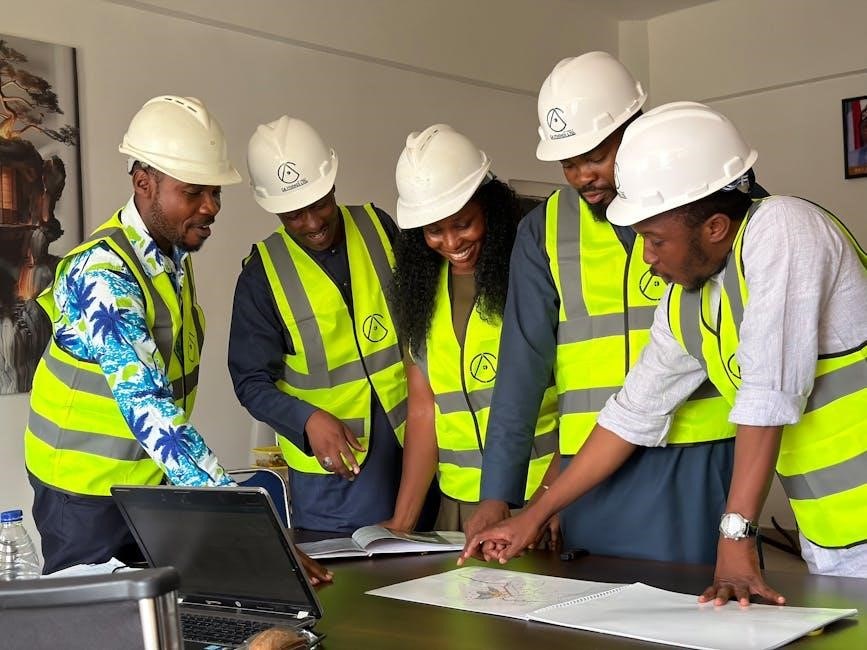
HCM strategically aligns workforce capabilities with business goals, driving competitive advantage and delivering a measurable return on investment in human capital initiatives.
Aligning HCM with Business Goals
Effective Human Capital Management (HCM) isn’t simply about managing employees; it’s about strategically aligning people’s skills and capabilities with the overarching objectives of the organization. This alignment requires a deep understanding of the business strategy and translating that into specific workforce plans.
A clear HCM strategy ensures that talent acquisition, development, and deployment directly contribute to achieving key performance indicators (KPIs). When HCM is integrated with business goals, organizations can foster innovation, improve productivity, and enhance customer satisfaction. This proactive approach moves HCM beyond a support function to a core driver of business success.
Furthermore, aligning HCM with business goals necessitates continuous monitoring and adjustment. Regular assessments of workforce performance and skill gaps are crucial for ensuring that the organization has the right people, with the right skills, in the right roles, at the right time.
HCM as a Driver of Competitive Advantage
In today’s dynamic business landscape, a skilled and engaged workforce is often the key differentiator between success and stagnation. Human Capital Management (HCM) serves as a powerful driver of competitive advantage by focusing on developing and leveraging the full potential of an organization’s human assets.
Organizations that prioritize HCM are better positioned to attract top talent, foster innovation, and respond quickly to market changes; By investing in employee development and creating a positive work environment, companies can cultivate a highly motivated and productive workforce.
This, in turn, leads to improved operational efficiency, enhanced product quality, and stronger customer relationships – all contributing to a sustainable competitive edge. Ultimately, HCM transforms employees from being simply a cost center to becoming a valuable source of innovation and growth.
Measuring the ROI of Human Capital Investments
Demonstrating the return on investment (ROI) of HCM initiatives is crucial for securing continued support and justifying future investments. Traditionally, measuring ‘soft’ HR metrics proved challenging, but advancements in data analytics now enable organizations to quantify the impact of their human capital programs.
Key metrics include employee turnover rates, employee engagement scores, time-to-hire, cost-per-hire, and the correlation between training investments and performance improvements. By tracking these indicators, businesses can assess the effectiveness of their HCM strategies and identify areas for optimization.
Ultimately, a clear understanding of HCM ROI allows organizations to make data-driven decisions, allocate resources effectively, and demonstrate the tangible value of their human capital investments to stakeholders.

Core Components of an HCM System
HCM systems encompass vital functions like talent acquisition, onboarding, and robust performance management, streamlining HR processes and fostering employee growth effectively.
Talent Acquisition and Recruitment
Talent acquisition is the foundational element of a successful HCM system, moving beyond simple recruitment to proactively identifying, attracting, and engaging skilled individuals. Strategic talent acquisition aligns with long-term business goals, ensuring the organization possesses the capabilities needed for future success. This involves employer branding initiatives to showcase company culture and values, attracting candidates who are not only qualified but also a strong cultural fit.
Modern recruitment leverages technology, including applicant tracking systems (ATS), social media platforms, and data analytics to streamline the process and improve candidate quality. Effective recruitment isn’t just about filling vacancies; it’s about building a talent pipeline for sustained growth. A well-defined strategy focuses on diversity and inclusion, ensuring a broad range of perspectives and experiences within the workforce, ultimately driving innovation and competitive advantage.
Onboarding and Employee Integration
Effective onboarding transcends mere paperwork; it’s a crucial process for integrating new hires into the company culture and accelerating their contribution. A structured onboarding program reduces time-to-productivity, boosts employee engagement, and minimizes early turnover. This includes providing clear role expectations, access to necessary resources, and opportunities for mentorship and networking.
Successful employee integration involves fostering a sense of belonging and connection. It’s about proactively introducing new team members to colleagues, outlining company values, and providing ongoing support during their initial months. Technology plays a key role, with digital onboarding platforms streamlining tasks and delivering personalized experiences. Investing in robust onboarding demonstrates a commitment to employee success, laying the foundation for long-term retention and a thriving workforce.
Performance Management Systems
Robust performance management is central to HCM, moving beyond annual reviews to continuous feedback and development. Modern systems emphasize regular check-ins, goal alignment with business objectives, and a focus on employee strengths. These systems should facilitate constructive conversations, identify skill gaps, and create personalized development plans.
Effective performance management isn’t solely about evaluation; it’s about enabling growth. Utilizing technology, organizations can track progress, provide real-time coaching, and recognize achievements. Integrating performance data with learning and development programs ensures employees have the resources to excel. A well-designed system fosters a culture of accountability, continuous improvement, and ultimately, enhanced organizational performance and employee satisfaction.

Key HCM Processes
HCM processes encompass workforce planning, talent acquisition, learning and development, and compensation, all strategically aligned to maximize employee contributions and organizational success.
Workforce Planning and Analysis
Workforce planning is a critical HCM process involving anticipating and preparing for future labor needs. This proactive approach ensures the organization has the right talent, with the necessary skills, at the right time, and in the right roles to achieve its strategic objectives. Effective analysis involves evaluating current capabilities, forecasting future demands based on business goals, and identifying potential skill gaps.
This process extends beyond simply filling positions; it requires a deep understanding of the evolving business landscape and the impact of emerging technologies. Data analytics play a crucial role, providing insights into employee performance, turnover rates, and skill trends. By leveraging these insights, organizations can develop targeted strategies for recruitment, training, and development, ultimately optimizing their human capital investments and fostering a competitive advantage.
Furthermore, robust workforce planning facilitates succession planning, ensuring continuity of leadership and critical skills within the organization.
Learning and Development Programs
Learning and Development (L&D) programs are fundamental to HCM, equipping employees with the skills and knowledge needed to excel in their roles and adapt to evolving business demands. These programs aren’t merely about training; they represent a strategic investment in human capital, fostering growth, innovation, and employee engagement.
Effective L&D initiatives encompass a variety of methods, including on-the-job training, mentorship programs, workshops, and online learning platforms. A key component is aligning L&D with organizational goals, ensuring that training directly supports strategic objectives and addresses identified skill gaps.
Investing in employee development enhances performance, boosts morale, and reduces turnover. Furthermore, robust L&D programs cultivate a culture of continuous learning, positioning the organization as an employer of choice and attracting top talent.
Compensation and Benefits Administration

Compensation and benefits are critical components of a successful HCM strategy, directly impacting employee motivation, retention, and overall organizational performance. A well-structured compensation plan should be competitive, equitable, and aligned with individual contributions and market standards.
Beyond base salary, a comprehensive benefits package – including health insurance, retirement plans, paid time off, and wellness programs – demonstrates an organization’s commitment to employee well-being. Strategic benefits administration goes beyond simply offering perks; it involves understanding employee needs and tailoring benefits to attract and retain top talent.
Regularly reviewing and adjusting compensation and benefits packages is essential to remain competitive and ensure alignment with evolving workforce expectations and business objectives.

Implementing a Successful HCM Strategy
Successful HCM implementation requires a clear strategy, thorough assessment of current capabilities, and proactive overcoming of potential challenges for optimal results.
Creating a Clear HCM Strategy
Developing a robust HCM strategy is paramount for organizations seeking to maximize the value of their workforce. This begins with a well-defined plan meticulously aligned with overarching business goals, ensuring that human capital initiatives directly contribute to strategic objectives. A clear strategy necessitates a deep understanding of the organization’s current state, future aspirations, and the skills required to bridge the gap.
Furthermore, the strategy should articulate specific, measurable, achievable, relevant, and time-bound (SMART) goals for talent acquisition, development, and retention. It must also outline the key performance indicators (KPIs) that will be used to track progress and demonstrate the return on investment (ROI) of HCM initiatives. Consideration should be given to the evolving needs of the workforce and the broader external environment, fostering adaptability and resilience within the HCM framework.
Assessing Current HCM Capabilities
A thorough assessment of existing HCM capabilities is a critical precursor to implementing any new strategy. This involves a candid evaluation of current processes, technologies, and skill sets within the HR function. Organizations resembling traditional personnel management models should honestly acknowledge limitations and identify areas ripe for improvement. This assessment should encompass talent acquisition, onboarding, performance management, learning and development, and compensation practices.
Identifying gaps between current capabilities and desired future state is essential. This gap analysis will inform the development of a targeted implementation plan. Furthermore, evaluating the effectiveness of existing HR technology and its integration with other business systems is crucial. Recognizing that implementation may require adjustments and upfront costs, a realistic appraisal of resources and potential challenges is vital for success.
Overcoming Implementation Challenges
Implementing a new HCM strategy often encounters resistance and hurdles; A primary challenge is securing buy-in from stakeholders across the organization, emphasizing the alignment of HCM with broader business goals. Data migration and system integration can prove complex, requiring careful planning and potentially, external expertise. Addressing employee concerns about change management is paramount; clear communication and training are essential to foster acceptance.
Furthermore, budgetary constraints and resource limitations can impede progress. Prioritizing initiatives and phasing implementation can mitigate these issues. Recognizing that adjustments and upfront costs are inherent, a flexible approach is key. Overcoming these challenges demands strong leadership, a dedicated project team, and a commitment to continuous improvement throughout the implementation process.
Technology in HCM: HCM Software & Tools
HCM technology streamlines payroll, HR, and workforce management, offering diverse software solutions to optimize processes and enhance strategic decision-making capabilities.
Types of HCM Software Solutions
A diverse range of HCM software solutions caters to varying organizational needs, from comprehensive suites to specialized tools. Core HR systems manage fundamental employee data and administrative tasks, forming the foundation of any HCM strategy. Talent Management suites encompass recruitment, onboarding, performance, and learning modules, fostering employee growth.
Workforce Management (WFM) software focuses on scheduling, time tracking, and labor optimization, crucial for operational efficiency. Payroll systems automate compensation calculations and tax compliance, ensuring accurate and timely payments. Specialized tools address niche areas like compensation management, succession planning, or employee engagement. Cloud-based HCM solutions offer scalability and accessibility, while on-premise systems provide greater control over data security. Selecting the right solution depends on factors like company size, industry, and specific HR challenges.
Benefits of Using HCM Technology
Implementing HCM technology yields substantial benefits for modern organizations. Automation of routine HR tasks, like payroll and benefits administration, frees up HR professionals to focus on strategic initiatives. Improved data accuracy and accessibility enable better decision-making regarding workforce planning and talent management. Enhanced employee self-service capabilities empower individuals to manage their information and access resources independently.
HCM systems streamline recruitment processes, attracting and onboarding top talent more efficiently. Performance management features facilitate continuous feedback and development, boosting employee engagement and productivity. Data analytics provide insights into workforce trends, identifying skill gaps and optimizing talent allocation. Ultimately, HCM technology drives efficiency, reduces costs, and fosters a more engaged and productive workforce, contributing directly to business success.
Integrating HCM Systems with Other Business Applications
Seamless integration of HCM systems with other crucial business applications – such as Enterprise Resource Planning (ERP), Customer Relationship Management (CRM), and financial systems – is paramount for maximizing value. This connectivity fosters a unified data environment, eliminating silos and enabling a holistic view of the organization. Integrated systems streamline workflows, automating data exchange and reducing manual errors.
For example, linking HCM with financial systems ensures accurate payroll processing and cost allocation. Integrating with CRM allows for a better understanding of the skills needed to support customer relationships. Ultimately, this interconnectedness empowers data-driven decision-making, improves operational efficiency, and enhances the overall strategic alignment between human capital and business objectives, driving greater organizational performance.
Best Practices in HCM
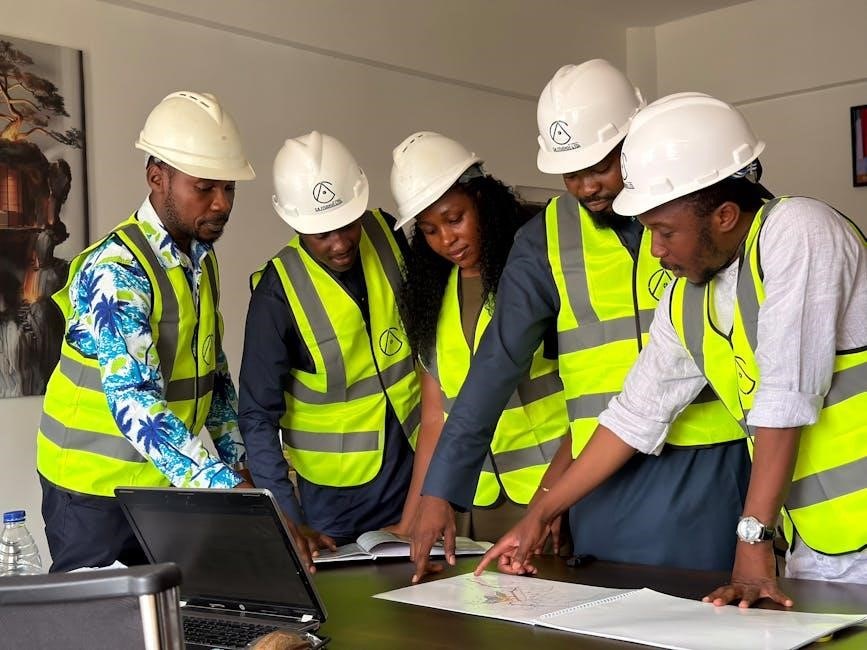
Prioritize strategic talent acquisition, robust employee development, effective performance management, and a thriving organizational culture to unlock human capital potential.
Strategic Talent Acquisition
Effective talent acquisition transcends simply filling vacancies; it’s about proactively sourcing individuals who embody the organization’s values and possess the skills needed to drive future success. This necessitates a shift from reactive recruitment to a predictive, data-driven approach. Organizations should leverage technology to identify potential candidates, utilizing platforms that assess not only skills but also cultural fit and long-term potential.
Furthermore, building a strong employer brand is crucial. A positive reputation attracts top talent organically, reducing recruitment costs and improving the quality of applicants. Investing in employee referral programs can also yield high-quality candidates who are already aligned with the company culture. Finally, the recruitment process itself should be streamlined and candidate-centric, providing a positive experience even for those not selected, fostering goodwill and potentially future engagement.
Employee Development and Training
Investing in employee development isn’t merely a benefit; it’s a strategic imperative. Continuous learning equips the workforce with the skills needed to adapt to evolving business demands and technological advancements. Effective programs should be aligned with both individual career goals and organizational objectives, fostering a culture of growth and innovation.
HCM best practices emphasize personalized learning experiences, utilizing a blend of traditional training methods and modern e-learning platforms. Mentorship programs and opportunities for cross-functional collaboration further enhance skill development and knowledge sharing; Regularly assessing training effectiveness through feedback and performance metrics ensures programs remain relevant and impactful, maximizing the return on investment in human capital.
Organizational Culture Enhancement
A thriving organizational culture is paramount to attracting, retaining, and engaging top talent. HCM plays a vital role in shaping this culture, fostering an environment of inclusivity, collaboration, and mutual respect. This involves clearly defining core values, promoting open communication, and recognizing employee contributions.
Best practices include leadership development programs focused on emotional intelligence and inclusive leadership, alongside initiatives that encourage employee feedback and participation in decision-making. Regularly assessing employee sentiment and addressing concerns proactively are crucial for maintaining a positive and productive work environment. A strong culture directly impacts employee performance, innovation, and overall organizational success, making it a key focus within HCM strategies.

The Future of HCM
HCM’s evolution will be significantly impacted by AI and automation, alongside data analytics, reshaping workforce management and driving strategic decision-making processes.
The Impact of AI and Automation on HCM
Artificial Intelligence (AI) and automation are poised to revolutionize Human Capital Management, moving beyond simple task automation to encompass strategic functions. AI-powered tools can now assist in talent acquisition by screening resumes, identifying ideal candidates, and even conducting initial interviews – significantly reducing recruitment time and costs.
Furthermore, automation streamlines onboarding processes, personalizes learning and development programs based on individual employee needs, and enhances performance management through continuous feedback and data-driven insights. Predictive analytics, fueled by AI, can forecast workforce needs, identify potential skill gaps, and proactively address employee attrition risks.
However, successful integration requires careful consideration of ethical implications and a focus on augmenting, rather than replacing, human capabilities. The future of HCM lies in a collaborative approach where AI and automation empower HR professionals to focus on more strategic initiatives, fostering a more engaged and productive workforce.
Emerging Trends in Workforce Management
Several key trends are reshaping workforce management, demanding a more agile and adaptable HCM approach. The rise of the gig economy and remote work necessitates flexible talent strategies and robust tools for managing distributed teams. Emphasis on employee experience (EX) is paramount, with organizations prioritizing well-being, personalized development, and a positive work environment to attract and retain top talent.
Skills-based organizations, focusing on capabilities rather than traditional job titles, are gaining traction, requiring continuous skills assessment and development programs. Diversity, equity, and inclusion (DEI) initiatives are no longer optional but integral to building a thriving and innovative workforce.
Finally, the increasing importance of data privacy and security demands responsible HCM practices, ensuring compliance with evolving regulations and protecting sensitive employee information. These trends collectively point towards a future where HCM is more human-centric, data-driven, and strategically aligned with business goals.
The Role of Data Analytics in HCM
Data analytics is rapidly becoming central to effective Human Capital Management, transforming how organizations understand and leverage their workforce. Predictive analytics can forecast future talent needs, identify potential flight risks, and optimize recruitment strategies. Analyzing performance data reveals skill gaps and informs targeted learning and development programs, boosting employee capabilities.
HCM analytics also provides insights into the ROI of HR initiatives, demonstrating the value of human capital investments to stakeholders. Workforce planning becomes more precise with data-driven insights into demographics, skills inventories, and succession planning.
Furthermore, data analytics supports DEI efforts by identifying and addressing biases in hiring and promotion processes, fostering a more equitable workplace. Ultimately, leveraging data empowers organizations to make informed decisions, optimize talent management, and drive business success.