Columbia River Walleye Fishing Guides: A Comprehensive Plan
Embark on an unforgettable angling adventure! This guide details expert walleye fishing on the Columbia River, featuring top guides like Captain Jeremy at Stotts Fishing Adventures.
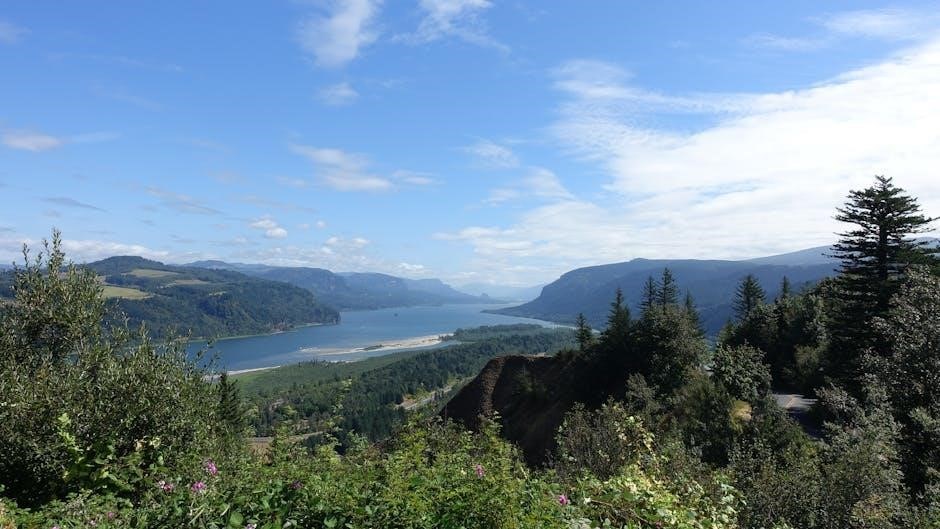
The Columbia River is renowned as a premier walleye fishery, attracting anglers seeking thrilling challenges and abundant catches. This expansive waterway, stretching through Oregon and Washington, provides diverse habitats ideal for walleye. From the famed Drano Lake (“Toilet Bowl”) to the scenic Columbia River Gorge, opportunities abound.
Walleye thrive in the river’s varied currents and depths, making it a year-round destination. Experienced guides, like those at Stotts Fishing Adventures, possess invaluable local knowledge. They understand seasonal patterns and effective techniques, ensuring successful outings. Whether you’re a seasoned pro or a beginner, the Columbia River promises an exceptional walleye fishing experience.
Why Hire a Walleye Fishing Guide?
Navigating the Columbia River and locating walleye requires expertise. A skilled guide dramatically increases your chances of success, saving time and frustration. They possess intimate knowledge of productive fishing spots, like Irrigon, Oregon, and understand walleye behavior throughout the seasons.
Guides provide essential equipment and instruction, catering to all skill levels. Captain Jeremy exemplifies professionalism, offering friendly, experienced guidance. They handle boat operation, tackle setup, and fish handling, allowing you to focus on reeling in your catch. Hiring a guide ensures a safe, enjoyable, and ultimately, more rewarding fishing trip.
Top Locations for Walleye Fishing on the Columbia River
The Columbia River boasts diverse walleye habitats. Drano Lake, famously known as “The Toilet Bowl,” is a hotspot, particularly during the spring Chinook run, though walleye thrive there too. The Irrigon, Oregon area consistently delivers excellent walleye fishing opportunities, attracting anglers and guides alike.
Further west, the Columbia River Gorge offers a less crowded, yet productive, alternative. These locations benefit from the river’s unique currents and structure. Experienced guides know precisely where to find walleye based on seasonal patterns and current conditions, maximizing your fishing success.
Drano Lake (The Toilet Bowl)
Drano Lake, nicknamed “The Toilet Bowl,” is a renowned walleye fishery. While famed for spring Chinook, it’s a consistent producer of impressive walleye. The unique circular current created by the lake’s shape concentrates fish, making it a prime target for trolling and jigging techniques;
Guides specializing in Drano Lake possess intimate knowledge of this dynamic environment. They understand how to navigate the currents and locate walleye holding areas. Expect crowded conditions, especially during peak seasons, but the potential for a bountiful catch makes it worthwhile.
Irrigon, Oregon Area
Irrigon, Oregon, serves as a central hub for Columbia River walleye fishing expeditions. Captain Jeremy and Stotts Fishing Adventures operate successfully from this location, offering exceptional experiences. The area provides convenient access to diverse fishing grounds, including Drano Lake and stretches of the main river channel.
Local guides possess invaluable insights into seasonal walleye movements and productive fishing spots near Irrigon. Expect personalized attention and expertly guided trips tailored to your skill level. This region consistently delivers outstanding walleye fishing opportunities for anglers of all abilities.
The Columbia River Gorge
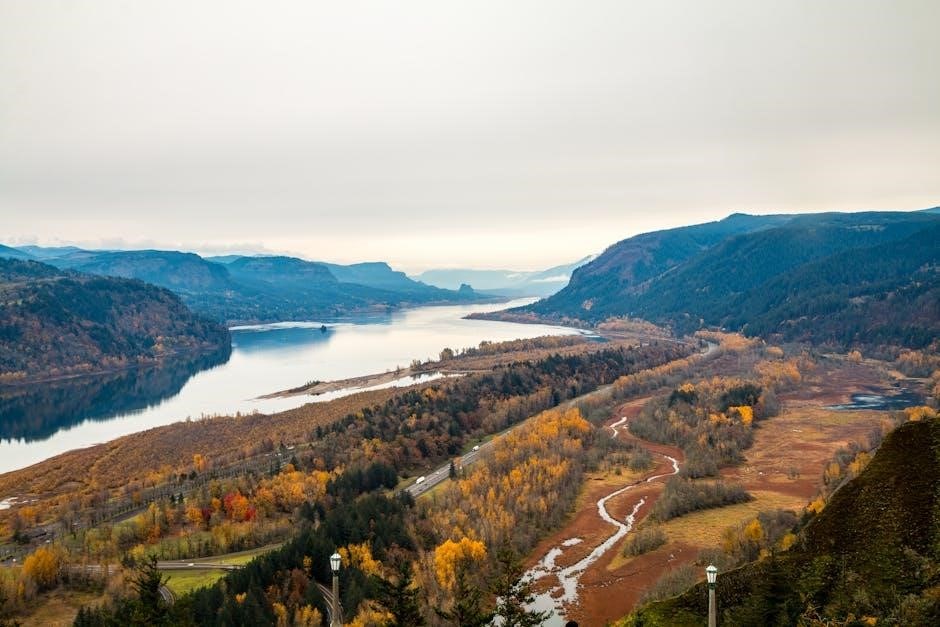
The Columbia River Gorge presents a compelling alternative to the often-crowded Drano Lake. While Chinook salmon draw significant attention, the Gorge harbors a surprisingly robust walleye population, offering anglers a less pressured fishing experience. Experienced guides, familiar with the Gorge’s unique currents and structures, are crucial for success.
Expect diverse fishing techniques employed within the Gorge, from trolling along canyon walls to jigging near submerged features. This area provides stunning scenery alongside excellent walleye fishing, making for a memorable outing.
Understanding Walleye Behavior & Seasonal Patterns
Walleye behavior on the Columbia River is intrinsically linked to seasonal changes. Spring brings the walleye run, concentrating fish for easier targeting. Summer sees them dispersing into deeper, cooler waters, requiring adjusted trolling and jigging strategies. Fall triggers pre-winter feeding frenzies, increasing activity levels.
Guides leverage this knowledge, adapting techniques based on water temperature, flow rates, and prey availability. Understanding these patterns dramatically increases your chances of a successful fishing trip.
Spring Walleye Run
The Columbia River’s spring walleye run is a premier fishing opportunity. As waters warm, walleye migrate upstream to spawn, congregating in areas like Drano Lake (“The Toilet Bowl”). This concentration makes them readily accessible to anglers, especially with a skilled guide.
Effective spring techniques include trolling with lures and jigging in current seams. Guides possess invaluable knowledge of prime locations and current conditions, maximizing your catch rate during this peak season.
Summer Walleye Fishing Techniques
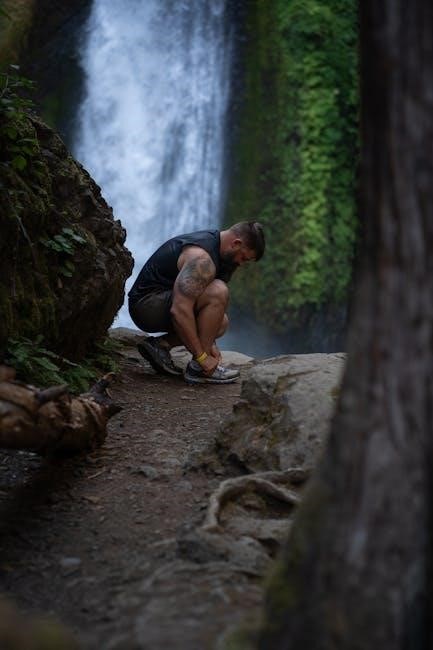
Summer walleye fishing on the Columbia requires adapting to warmer water and altered fish behavior. Walleye tend to seek cooler, deeper water or areas with current. Successful techniques involve trolling deeper with downriggers or employing slower presentations like bottom bouncing with jigs.
Guides excel at locating these holding areas and adjusting strategies accordingly. Utilizing effective lures and understanding seasonal patterns are crucial for consistent results during the summer months.
Fall Walleye Fishing Strategies
As fall arrives, Columbia River walleye begin a pre-winter feeding frenzy. They move shallower, concentrating near structure and baitfish. Effective strategies include casting and retrieving jigs or crankbaits along rocky banks and submerged humps.
Experienced guides leverage their knowledge of current breaks and seasonal migrations to pinpoint productive locations. Slow presentations and natural-colored lures often prove most effective as water temperatures decline, triggering aggressive strikes.
Essential Fishing Gear for Columbia River Walleye
Successful walleye fishing demands the right equipment. A medium-action spinning or casting rod, 6’6” to 7’ long, paired with a quality reel spooled with 8-12lb test line is crucial.
Don’t forget a well-stocked tackle box featuring jigs, crankbaits, and plastic worms in various colors. A cooler filled with an ice slurry – salt added to the ice – is vital for preserving your catch, ensuring freshness for a delicious meal.
Rod and Reel Combinations
Selecting the ideal rod and reel is paramount for Columbia River walleye. A medium-action spinning rod, 6’6” to 7’ in length, offers versatility for various techniques. Pair it with a size 2500-3000 spinning reel for balanced performance.
Alternatively, a medium-heavy casting rod with a baitcasting reel excels in deeper water or when using heavier lures. Quality reels with smooth drag systems are essential for fighting these spirited fish, ensuring a thrilling experience.
Effective Lures and Baits
Walleye are opportunistic feeders, responding to diverse presentations. Effective lures include jigs tipped with plastic grubs or minnows, crankbaits mimicking baitfish, and blade baits for attracting attention in murky water.
Live bait, such as nightcrawlers or minnows, remains a classic choice, especially when jigging. Varying colors and sizes is crucial, adapting to river conditions and walleye preferences. Don’t underestimate the power of scent attractants to enhance your success!
Importance of a Cooler with Ice Slurry
Maintaining fish quality is paramount for a rewarding trip. A cooler filled with an ice slurry – ice mixed with saltwater – is essential for preserving your catch. The salt lowers the freezing point, creating a super-chilled environment that keeps walleye firm and fresh.
This method prevents spoilage and ensures optimal taste. Avoid simply using ice alone, as direct contact can bruise the fish. Proper cooling extends shelf life and enhances the overall fishing experience!
Popular Guided Fishing Techniques
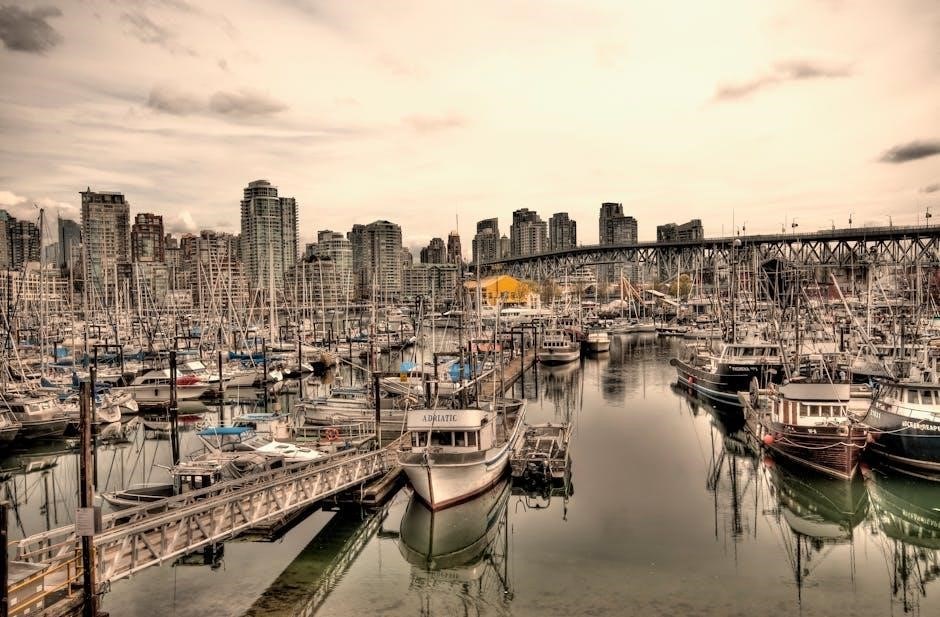
Columbia River guides employ diverse strategies for walleye success. Trolling, covering ground with lures or bait, is highly effective, especially in Drano Lake. Jigging, presenting lures vertically near structure, excels in the Gorge and Irrigon areas.
Shore fishing offers accessibility, though boat-based techniques generally yield better results. Experienced guides adapt to conditions, utilizing their knowledge to pinpoint productive spots and adjust tactics for consistent catches.
Trolling for Walleye
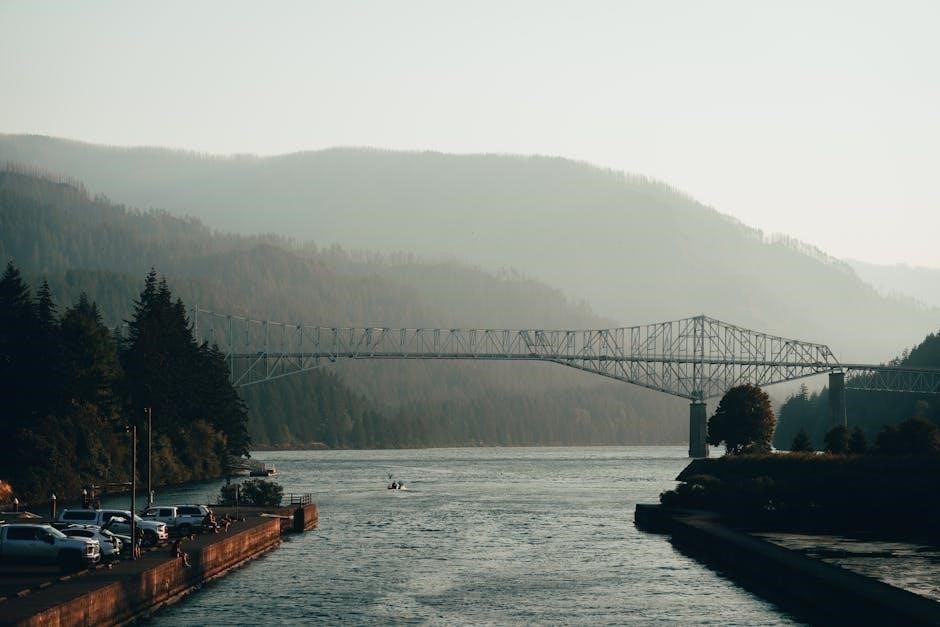
Trolling is a premier Columbia River walleye technique; Guides expertly navigate, pulling lures behind the boat at controlled speeds. This method efficiently covers vast areas, locating scattered fish, particularly in Drano Lake’s “Toilet Bowl”.
Effective trolling setups involve planer boards to spread lines, and various lures like crankbaits and spinners. Adjusting depth and speed is crucial, guided by river conditions and fish behavior. Success relies on the guide’s expertise and boat control.
Jigging for Walleye
Jigging presents a direct, vertical approach to walleye fishing. Skilled guides utilize sonar to identify fish-holding structure, then precisely drop jigs to the bottom. This technique excels in areas like the Columbia River Gorge, targeting walleye near rock piles and ledges.
Effective jigging involves subtle movements and varying retrieves. Guides often employ jigs tipped with plastic trailers or live bait. Maintaining contact with the bottom and detecting subtle bites are key to success, demanding focused attention.
Shore Fishing for Walleye
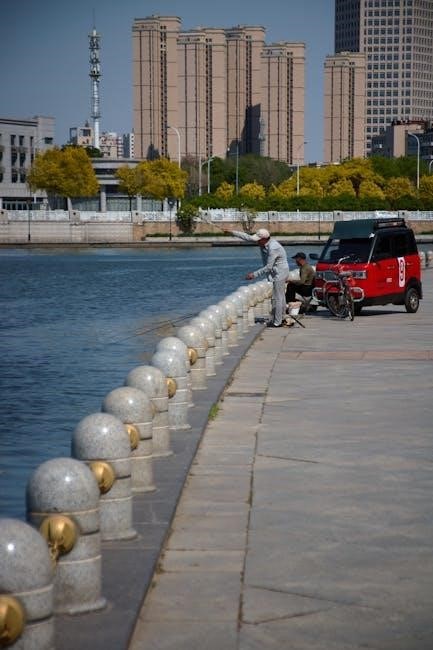
Shore fishing offers accessible walleye opportunities along the Columbia River. While boat access is often preferred, designated fishing docks and bank access points provide viable options, particularly near Irrigon, Oregon. These spots can be surprisingly productive, especially during peak walleye runs.
Successful shore anglers employ casting techniques with jigs, spinners, or bottom rigs. Utilizing longer rods aids in reaching deeper water. The fishing dock, with its bench seats, provides a comfortable base for a relaxing and potentially rewarding experience.
Choosing the Right Columbia River Walleye Fishing Guide
Selecting a skilled guide is crucial for a successful Columbia River walleye trip. Prioritize guides demonstrating extensive experience and local knowledge of walleye behavior and prime fishing locations like Drano Lake and the Gorge. Professionalism and customer service are key indicators of a positive experience.
Evaluate the quality of the boat and equipment provided, ensuring it’s well-maintained and suitable for walleye fishing techniques. Reviews highlight Captain Jeremy at Stotts Fishing Adventures as professional, friendly, and experienced.
Experience and Local Knowledge
A guide’s familiarity with the Columbia River is paramount. Years spent navigating its waters translate to understanding walleye migration patterns and seasonal hotspots. Local guides, like Captain Jeremy, possess invaluable insight into productive fishing areas – from the famed “Toilet Bowl” at Drano Lake to the diverse stretches of the Gorge.
Experienced guides adapt to changing river conditions and employ effective techniques. They know where fish are biting right now, maximizing your chances of a rewarding catch. This expertise is invaluable for both novice and seasoned anglers.
Professionalism and Customer Service
Exceptional guides prioritize a positive experience. Reviews consistently highlight Captain Jeremy’s professionalism, friendliness, and dedication to client satisfaction; A skilled guide doesn’t just locate fish; they create a memorable outing, catering to all skill levels with patience and instruction.
Responsive communication, clean equipment, and a focus on safety are hallmarks of top-tier service. Expect a well-maintained boat, provided lunch, and a commitment to ensuring a comfortable and enjoyable day on the water.
Boat and Equipment Quality
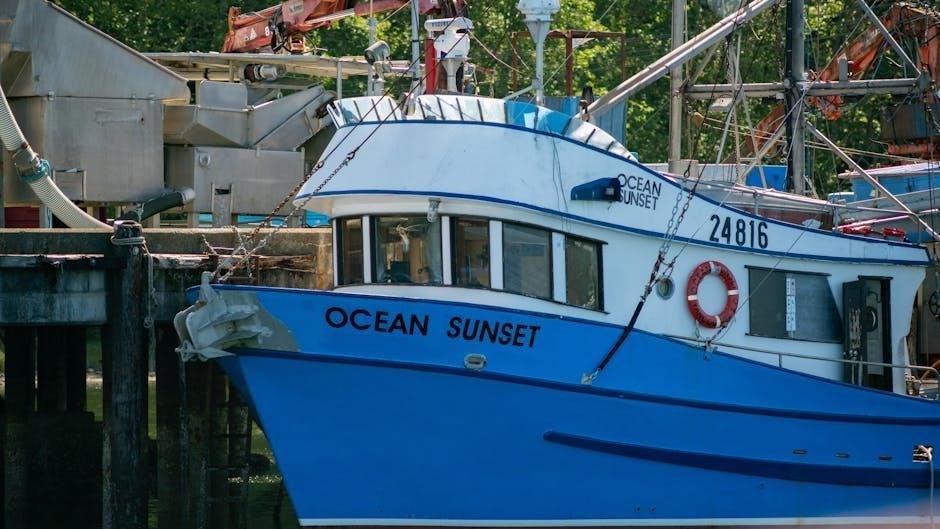
A well-equipped boat is crucial for success and safety. Look for guides utilizing modern fishing vessels with reliable engines, fish finders, and ample space for anglers. Quality rods and reels should be provided, maintained in excellent condition, and appropriate for walleye fishing techniques like trolling and jigging;
Comfortable seating, safety gear, and a clean environment contribute to an enjoyable experience. Top guides ensure their boats meet all safety regulations and provide necessary equipment like life vests and first-aid kits.
Safety Considerations on the Columbia River
The Columbia River demands respect and awareness. Experienced guides prioritize safety by closely monitoring river conditions, including currents, wind, and weather forecasts. They’ll provide and insist on the use of properly fitted life vests for all passengers at all times while on the water.
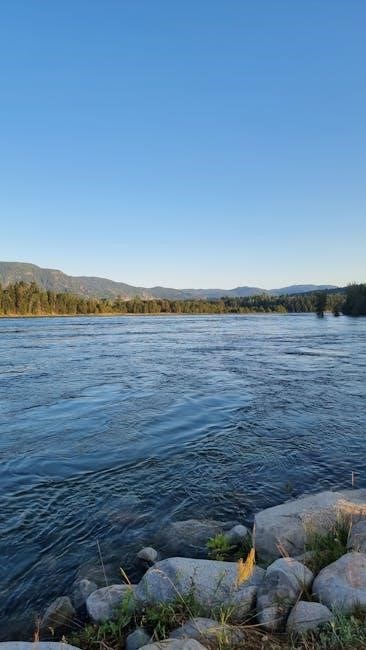
Understanding potential hazards – like changing river levels and boat traffic – is vital. A reputable guide will communicate safety procedures clearly and maintain a well-maintained boat with all required safety equipment readily accessible.
Understanding River Conditions
Columbia River conditions are dynamic and crucial for a successful, safe trip. Experienced walleye fishing guides possess in-depth knowledge of the river’s ever-changing currents, water levels, and potential hazards. They continuously monitor forecasts, adapting strategies based on real-time data.
Factors like wind speed and direction significantly impact fishing techniques and boat control. A skilled guide understands how these elements affect walleye behavior and adjusts accordingly, ensuring both angler success and overall safety on the water.
Required Fishing Licenses and Regulations
Navigating Columbia River fishing requires adherence to specific licensing and regulations. Both Oregon and Washington states mandate valid fishing licenses for anglers aged 14 and older. These licenses are easily obtainable online or at local sporting goods stores.
Current regulations, as of 2026, dictate catch limits, size restrictions, and permitted fishing methods for walleye. Guides ensure clients are fully informed and compliant, preventing fines and promoting sustainable fishing practices. Staying updated is vital for a legal and enjoyable experience.
Tips for Landing and Handling Walleye
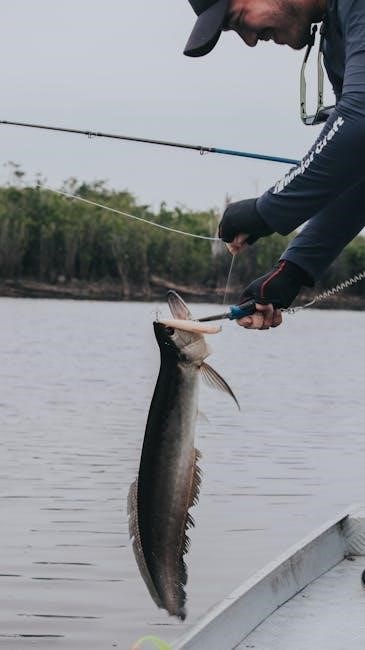
Successfully landing a Columbia River walleye demands technique and care. Maintaining a low rod tip, even submerging it, prevents fish from throwing the hook near the boat – a crucial tactic.
Proper handling is paramount for catch-and-release. Wet your hands before touching the fish, minimizing scale loss. Avoid squeezing; support the walleye horizontally. Use a net with rubber coating to protect their slime coat, ensuring their survival if released.
Keeping Your Rod Tip Low
Maintaining a low rod tip is a fundamental walleye fishing technique on the Columbia River. As a fish nears the boat, lowering or even submerging the rod tip dramatically increases landing success. This prevents the walleye from breaking the surface and gaining leverage to throw the lure.
This simple adjustment minimizes lost fish. By keeping tension consistent and the angle low, you reduce the fish’s ability to shake free, resulting in more fish in the boat or for catch-and-release.
Proper Fish Handling Techniques
Responsible fish handling is crucial for conservation on the Columbia River. If you intend to release a walleye, minimize handling time to reduce stress. Wet your hands before touching the fish to protect its protective slime coat.
Support the fish’s body horizontally, avoiding pressure on the gills. Use a net to land the fish whenever possible. For harvested fish, immediately place them in a cooler with an ice slurry – a vital step for maintaining quality.
Columbia River Walleye Fishing Regulations (Current as of 2026)
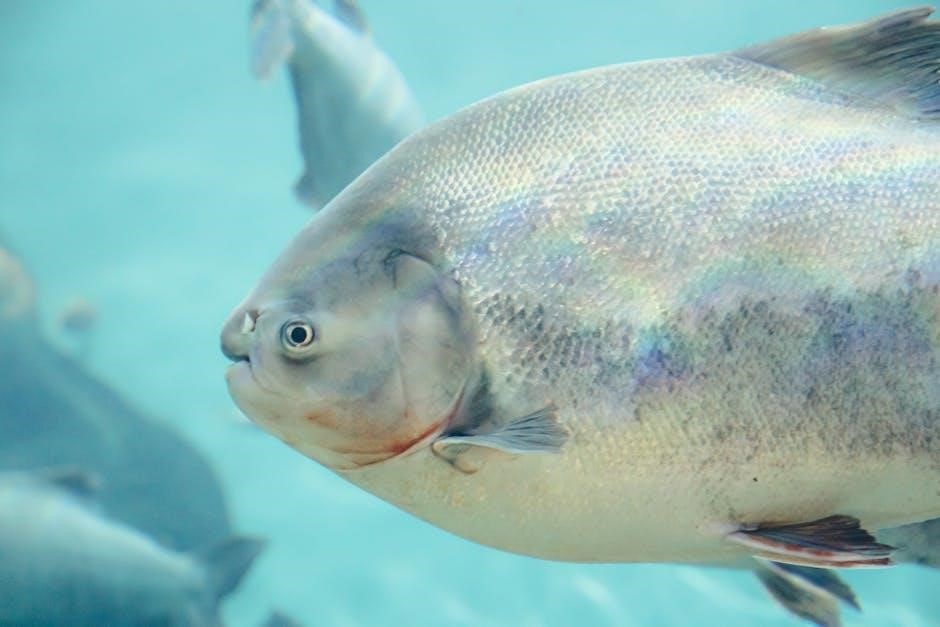
Staying compliant with regulations is paramount for a successful and legal fishing trip. As of January 27, 2026, specific limits and seasons vary by Columbia River zone. Anglers must possess a valid Oregon or Washington fishing license.
Daily bag limits for walleye generally range from 3 to 8 fish, depending on the location. Check the Oregon Department of Fish and Wildlife (ODFW) or Washington Department of Fish and Wildlife (WDFW) websites for the most up-to-date information.
Cost of Hiring a Walleye Fishing Guide
The investment in a guided walleye fishing trip varies based on several factors. Expect to pay between $200 and $400 per person for a full-day excursion, typically lasting 8-10 hours. Stotts Fishing Adventures, with Captain Jeremy, offers competitive rates.
Costs generally include the guide’s expertise, boat, tackle, and sometimes, fishing licenses. Additional expenses may cover fish processing or transportation. Group sizes influence per-person costs, with larger parties often receiving discounts.
Booking Your Columbia River Walleye Fishing Trip
Securing your Columbia River walleye adventure requires advance planning, especially during peak seasons. Contacting guides like Captain Jeremy at Stotts Fishing Adventures directly via phone or their website is recommended. Early booking is crucial, often months ahead, to guarantee availability.
Discuss trip details, including desired dates, group size, and any specific fishing preferences. Confirm included amenities and cancellation policies before finalizing your reservation. Prepare for an unforgettable experience!
Review of Stotts Fishing Adventures (Captain Jeremy)
Stotts Fishing Adventures, led by Captain Jeremy, consistently receives rave reviews from anglers. Clients praise his professionalism, friendly demeanor, and extensive river knowledge, particularly near Irrigon, Oregon. Reports highlight successful fishing trips, even when conditions are challenging.
Captain Jeremy’s ability to adapt techniques and locate fish is frequently mentioned. Guests appreciate the well-maintained boat and equipment, ensuring a comfortable and productive experience. Highly recommended for both novice and experienced walleye enthusiasts!
Additional Columbia River Fishing Opportunities (Beyond Walleye)
The Columbia River offers diverse angling beyond walleye. Anglers can pursue thrilling opportunities for Cutthroat Trout in the lower river tributaries, a rewarding experience documented in fisheries management studies. Furthermore, the river is renowned for its Chinook Salmon runs, especially popular at Drano Lake (the Toilet Bowl).
Experienced guides can tailor trips to target multiple species, maximizing your fishing adventure. Consider exploring these options for a comprehensive Columbia River experience, adding variety to your angling pursuits!
Cutthroat Trout Fishing
The Columbia River’s tributaries host thriving Coastal Cutthroat Trout populations. Research, like that published in the North American Journal of Fisheries Management, details their distribution and management in lower river areas. These trout offer a fantastic angling experience, differing significantly from walleye fishing techniques.
Targeting Cutthroat requires finesse, often utilizing lighter tackle and smaller presentations. Experienced guides can navigate these waters and share specialized knowledge for successful trout angling, complementing a walleye-focused trip.
Chinook Salmon Fishing
The Columbia River is renowned for its spectacular Chinook Salmon runs, particularly in areas like Drano Lake, often attracting numerous fishing boats during the spring. While walleye are a consistent target, adding a Chinook salmon expedition provides diverse angling opportunities.
Experienced guides possess the expertise to locate salmon hotspots and employ effective techniques. This often involves trolling with specialized lures, differing greatly from walleye jigging or shore fishing methods, enhancing your overall Columbia River experience.