
RoHS Battery Charger Instructions: A Comprehensive Guide
Navigating modern charging solutions requires understanding RoHS compliance, ensuring safe and environmentally conscious power delivery for your devices.
Understanding RoHS Compliance
RoHS compliance is pivotal for modern electronic devices, including battery chargers, signifying a commitment to environmental responsibility and human health. The Restriction of Hazardous Substances (RoHS) Directive, originating in the European Union, aims to limit the use of specific dangerous materials found in electrical and electronic products. This directive isn’t merely a regulation; it’s a crucial step towards sustainable manufacturing and responsible e-waste management.
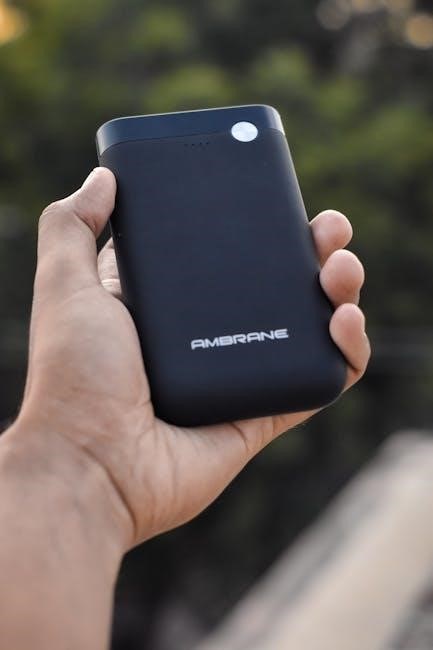
Understanding RoHS means recognizing that compliant chargers minimize the presence of substances like lead, mercury, cadmium, hexavalent chromium, polybrominated biphenyls (PBBs), and polybrominated diphenyl ethers (PBDEs). Manufacturers actively seek exemptions when complete restriction isn’t feasible, undergoing rigorous assessment procedures. Adherence to RoHS ensures a safer product lifecycle, from production to disposal, benefiting both consumers and the planet. It’s a globally recognized standard, influencing manufacturing practices worldwide, and demonstrating a dedication to a greener future.
What is the RoHS Directive?
The RoHS Directive, formally known as 2011/65/EU with amendments, is a cornerstone of European Union environmental legislation concerning the restriction of hazardous substances in electrical and electronic equipment. Initially enacted in 2003, and subsequently revised, it’s a preventative measure designed to protect human health and the environment from the risks associated with dangerous materials present in these products.
This directive doesn’t operate in isolation; it’s part of a broader framework of EU waste management legislation. It mandates that manufacturers demonstrate compliance by limiting the concentration of specified substances – lead, mercury, cadmium, hexavalent chromium, PBBs, and PBDEs – within their products. The directive covers a wide range of equipment, including battery chargers. Economic operators benefit from FAQs clarifying implementation, while ongoing assessment studies refine the directive’s scope and effectiveness, ensuring it remains a relevant and impactful environmental standard.
RoHS and Battery Chargers: Why it Matters
RoHS compliance is particularly crucial for battery chargers due to their widespread use and potential environmental impact. These devices, often containing various electronic components, can harbor restricted substances if not manufactured responsibly. Limiting these hazardous materials prevents their release into the environment during production, use, and especially during end-of-life disposal and recycling.
For consumers, RoHS-compliant chargers offer peace of mind, knowing the product adheres to strict safety and environmental standards. Manufacturers demonstrate this commitment through markings and documentation. Modern chargers, like those with USB-A (up to 3A/20W) and USB-C with Power Delivery, must meet these regulations. Adherence to RoHS isn’t merely a legal requirement; it’s a demonstration of corporate social responsibility and a contribution to a more sustainable future for electronic devices.
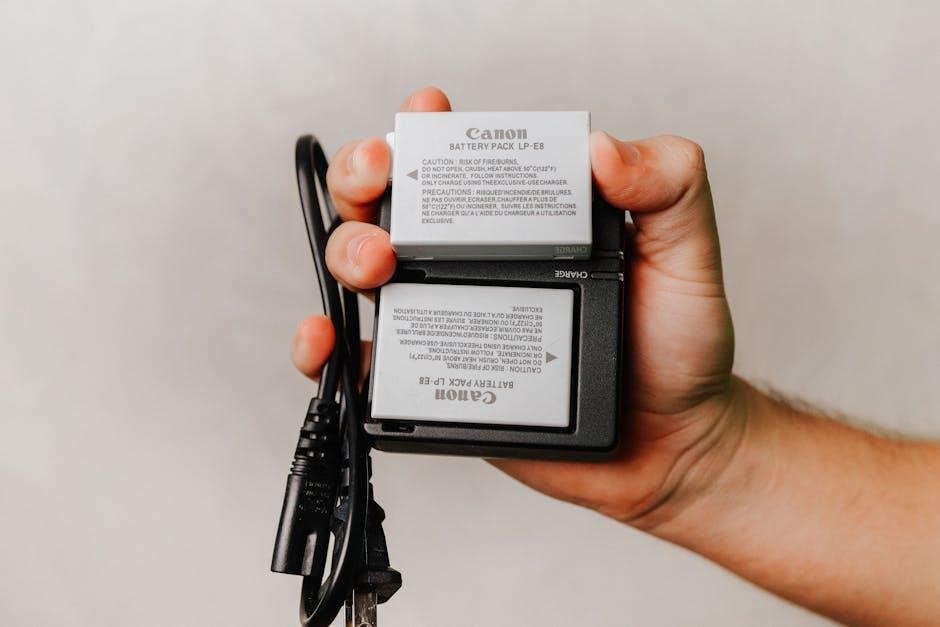
Identifying Your Battery Charger Model
Locating the model number and checking for RoHS compliance markings are essential steps to verify product specifications and environmental standards adherence.
Locating the Model Number
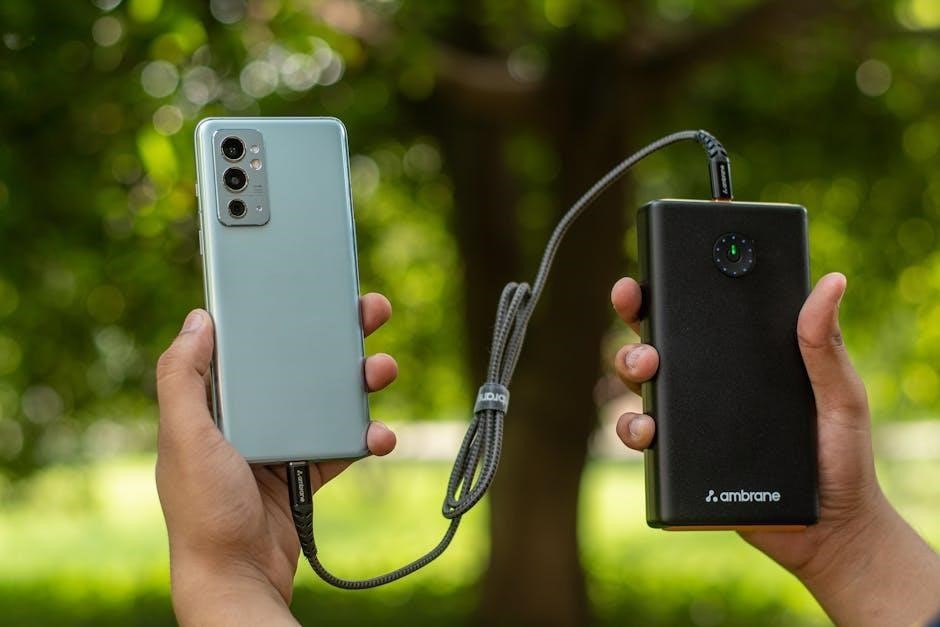
Identifying your battery charger’s model number is crucial for accessing specific documentation, including RoHS compliance information and troubleshooting guides. Typically, the model number is printed directly on the charger’s casing. Examine the device carefully, looking for labels on the bottom, back, or sides. It’s often near the input voltage specifications or alongside other regulatory markings.
The model number is usually a combination of letters and numbers, such as “AC38” or “G3 Combi.” If you’re unable to find a visible label, consult the original packaging or the user manual that came with the charger. The model number will be prominently displayed on these materials. For some devices, like the ZING C20, specific components may have their own identifiers, but the charger itself will have a primary model number. Having this information readily available streamlines the process of verifying RoHS compliance and accessing support resources.
Checking for RoHS Compliance Markings
Verifying RoHS compliance involves looking for specific markings on the battery charger itself. The most common indicator is the RoHS logo – a small recycling symbol with a number inside, often “2011/65/EU” or “2015/863/EU” indicating the specific directive version adhered to. This marking demonstrates the manufacturer’s commitment to restricting hazardous substances.
These markings are typically found near other regulatory certifications, such as CE marking. Examine the charger’s casing, particularly on the bottom or back, for these symbols. Absence of the RoHS logo doesn’t automatically mean non-compliance, as some manufacturers may state compliance in the product documentation. However, a visible marking provides immediate confirmation. Referencing the product’s documentation, like the user manual, is also vital, as it may explicitly state RoHS compliance and provide further details regarding restricted substances. Checking for “China RoHS” markings may also be relevant for products sold in China.
Charging Instructions & Safety
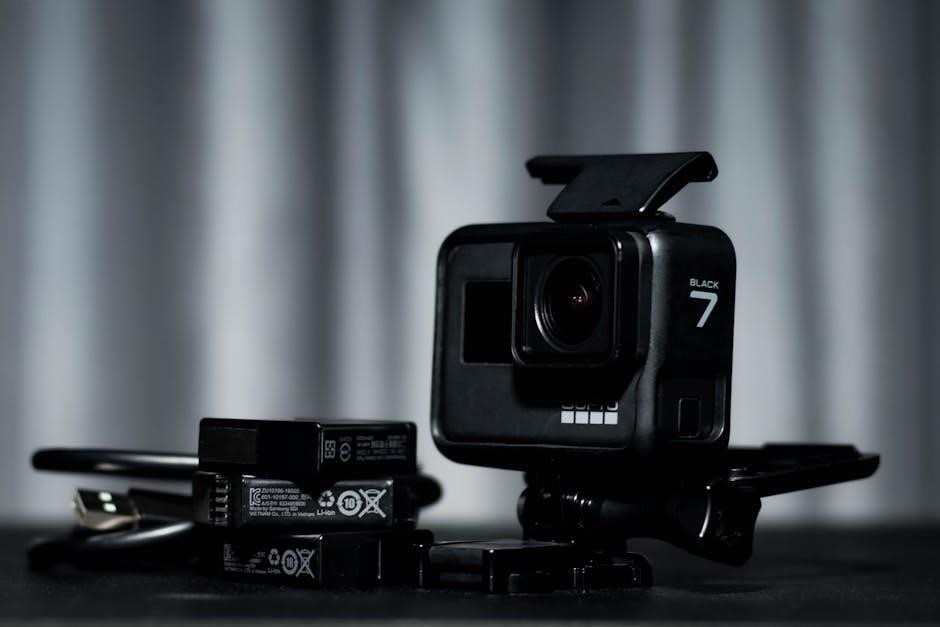
Proper charging involves plugging the power pack into a wall socket and inserting it into the charger; use only the manufacturer-provided battery.
Initial Setup and Power Connection
Before initial use, carefully inspect the battery charger and power cord for any visible damage. Ensure the power outlet you intend to use is easily accessible and meets the charger’s voltage requirements. To begin, firmly insert the power pack into the designated slot on the battery charger. A secure connection is crucial for optimal performance and safety.
Connect the charger to a standard wall socket. Avoid using extension cords or power strips if possible, as they can sometimes limit the power supply. If an extension cord is necessary, ensure it’s appropriately rated for the charger’s power consumption. The charger features USB-A and USB-C ports; however, the primary power connection is through the power pack. Always prioritize a stable and direct power source for efficient charging and to prevent potential issues. Refer to the technical specifications section for detailed input voltage information.
Indicator Lights: Understanding the Status
The battery charger utilizes a color-coded indicator light system to communicate its current operational status. A solid red light typically signifies that the charging process is actively underway, indicating power is being delivered to the connected device. For ZING C20 models, a red indicator specifically denotes charging.
Conversely, a solid green light signals that the charging cycle is complete, and the battery has reached full capacity. This indicates the device is ready for use or can remain connected for trickle charging. Some models may feature a blinking red light to indicate an error or fault condition, such as a faulty battery or connection issue. Consult the troubleshooting section for further guidance if you encounter a blinking indicator. Understanding these visual cues ensures you’re always aware of the charger’s performance and the battery’s charging state.
Recommended Charging Times
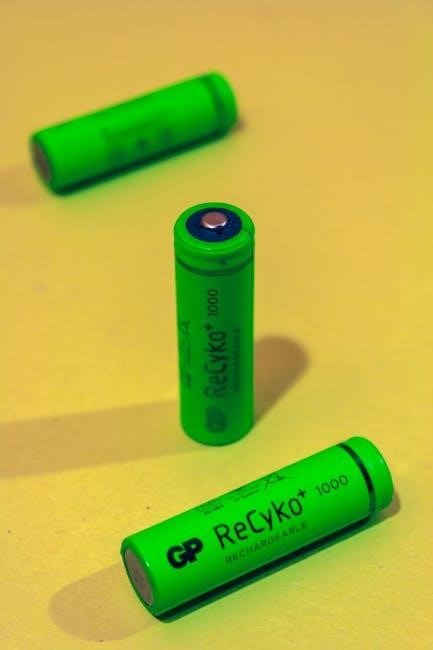
Optimal charging times vary depending on the battery capacity and charger output. While the charger is designed for use with manufacturer-provided batteries, general guidelines apply. For smaller devices, a full charge may take between 1 to 3 hours utilizing the USB-A port, delivering up to 20W of power.
Leveraging the USB-C port with Power Delivery (PD) can significantly reduce charging times, potentially fully charging compatible devices in under 90 minutes. However, always refer to the device’s manufacturer recommendations for specific charging durations. Avoid prolonged overcharging, as it can potentially degrade battery health over time. Regularly monitoring the indicator lights – transitioning from red to green – is crucial for determining complete charge status. Disconnect the device once fully charged to conserve energy and maximize battery lifespan.
Safety Precautions During Charging
Prioritizing safety during charging is paramount for both the user and the device. Always ensure the charger is placed on a stable, flat surface with adequate ventilation to prevent overheating. Avoid using the charger in damp environments or near flammable materials.
Never attempt to disassemble or modify the charger, as this could expose you to electrical shock and void any warranty. Only use the provided power pack, a 1.5Ah unit is recommended, and inspect the cable for any signs of damage before each use. Discontinue use immediately if you notice any unusual smells, sounds, or smoke. Keep the charger out of reach of children. Do not use any other charger than the one provided by the manufacturer to recharge the battery.
Technical Specifications
Detailed specifications include input voltage, output currents for USB-A (up to 3A, 20W) and USB-C with Power Delivery for fast charging.
Input Voltage and Frequency
The battery charger is engineered for universal compatibility, accepting a broad range of input voltages to ensure reliable operation across different regions. Specifically, this charger is designed to function optimally with input voltages ranging from 100V to 240V AC. This wide voltage range eliminates the need for voltage converters when traveling internationally, providing seamless charging wherever you are.
Furthermore, the charger accommodates both 50Hz and 60Hz input frequencies, standard in most countries worldwide. This dual-frequency support further enhances its global usability. Consistent performance is guaranteed regardless of the local power grid frequency. The charger automatically detects and adjusts to the appropriate frequency, ensuring stable and efficient power delivery. Always verify the input voltage compatibility of your devices before connecting them to the charger, even though the charger itself is universally adaptable.
Output Voltage and Current (USB-A)
The USB-A port on this RoHS-compliant battery charger delivers a consistent and reliable power output for a wide array of devices. It provides a standard output voltage of 5V DC, compatible with most smartphones, tablets, and other USB-powered accessories. The maximum current output through the USB-A port is rated at up to 3 Amps (3A).
This 3A capability translates to a maximum power output of 15 Watts (5V x 3A), enabling faster charging speeds for devices that support higher input currents. While many devices will charge at a lower current, the 3A availability ensures optimal charging performance when connected to compatible gadgets. The charger intelligently adjusts the output current based on the connected device’s requirements, preventing overcharging and ensuring safety. Always check your device’s specifications to confirm compatibility with the USB-A port’s output parameters.
Output Voltage and Current (USB-C with Power Delivery)
The USB-C port, featuring Power Delivery (PD) technology, offers a versatile and efficient charging solution for modern devices. This port supports a wide voltage range, typically from 5V to 20V, dynamically adjusting the output to match the connected device’s needs. The maximum current output via USB-C PD can reach up to 3 Amps (3A), delivering a maximum power output of 60 Watts (20V x 3A) – though specific wattage depends on the device.
Power Delivery allows for faster charging of compatible smartphones, tablets, and even laptops. The charger negotiates the optimal voltage and current with the device, maximizing charging speed while ensuring safety. This intelligent power management prevents overcharging and protects both the charger and the connected device. Verify your device’s Power Delivery compatibility to fully utilize the USB-C port’s capabilities.
Troubleshooting Common Issues
Addressing charger malfunctions like power failures, slow charging, or overheating is crucial for optimal performance and device safety; follow these steps.
Charger Not Powering On
If your RoHS-compliant battery charger fails to power on, begin with the simplest checks. Ensure the power cord is securely connected to both the charger and a functioning wall socket. Verify the wall socket is delivering power by testing it with another device; Inspect the power cord for any visible signs of damage, such as cuts or fraying, and replace it if necessary.
Next, examine the charger’s internal fuse (if accessible) and replace it with a fuse of the correct amperage rating if it’s blown. Some chargers have a power switch; confirm it’s in the ‘on’ position. If the charger still doesn’t respond, it could indicate an internal component failure.
Do not attempt to disassemble or repair the charger yourself, as this could void any warranty and pose a safety risk. Contact the manufacturer’s customer support for assistance or consider replacing the charger with a new, RoHS-compliant model. Remember to always prioritize safety when dealing with electrical devices.
Slow Charging Speed
Experiencing slow charging with your RoHS-compliant battery charger can be frustrating. First, verify you’re using a compatible cable and that it isn’t damaged. A faulty or low-quality cable can significantly impede charging speed. Ensure the cable is directly connected to both the charger and your device, avoiding extension cords or adapters if possible.
Confirm your device supports the charging standard offered by the charger (e.g., USB Power Delivery). Using a charger with a higher wattage than your device can support won’t necessarily result in faster charging. Also, close any unnecessary apps running on your device during charging, as these can consume power and slow down the process.
Check the charger’s output specifications and compare them to your device’s requirements. If the issue persists, try a different wall socket or a different RoHS-compliant charger to isolate the problem.
Overheating Issues
If your RoHS-compliant battery charger is overheating, immediately disconnect it from the power source and your device. Continued use while overheating poses a safety risk and could damage both the charger and your device. Ensure the charger is placed on a hard, flat, and well-ventilated surface, away from flammable materials, direct sunlight, and sources of heat.
Avoid covering the charger during operation, as this restricts airflow and contributes to heat buildup. Check for any obstructions blocking the charger’s vents. Dust accumulation can also cause overheating; gently clean the exterior with a soft, dry cloth.
Do not attempt to disassemble or repair the charger yourself. If overheating persists after ensuring proper ventilation and cleaning, the charger may be faulty and should be replaced. Using a charger that consistently overheats, even if RoHS compliant, is unsafe.

RoHS Directive Details
The RoHS Directive restricts hazardous substances like lead, mercury, and cadmium in electronic equipment, promoting environmental protection and safer product lifecycles.
Restricted Substances under RoHS
The RoHS Directive meticulously outlines a list of substances prohibited in the manufacturing of electrical and electronic equipment, including battery chargers. These restrictions aim to minimize environmental and health risks associated with hazardous materials. Key restricted substances include lead (Pb), used in solder; mercury (Hg), found in switches and batteries; cadmium (Cd), present in pigments and coatings; hexavalent chromium (Cr6+), utilized for corrosion resistance; polybrominated biphenyls (PBBs), flame retardants; and polybrominated diphenyl ethers (PBDEs), also flame retardants.
Furthermore, restrictions extend to phthalates – specifically, bis(2-ethylhexyl) phthalate (DEHP), butyl benzyl phthalate (BBP), isopropyl benzyl phthalate (IBP), diisobutyl phthalate (DIBP), and di-n-octyl phthalate (DNOP) – commonly used as plasticizers. These substances are carefully monitored to ensure compliance, safeguarding both consumers and the environment from potential harm. Manufacturers must demonstrate adherence to these limits through rigorous testing and documentation.
Exemption Procedures for RoHS
Despite the stringent restrictions, the RoHS Directive acknowledges that complete elimination of restricted substances isn’t always immediately feasible. Therefore, it incorporates exemption procedures for specific applications where suitable alternatives are unavailable or would significantly compromise product performance. These exemptions are time-bound and subject to regular review, encouraging the development of compliant alternatives.
Manufacturers seeking exemptions must submit detailed applications to the European Commission, demonstrating the necessity of continued use of a restricted substance. Exemptions often apply to critical components in medical devices, monitoring equipment, or specific automotive applications. The process involves thorough assessment of technical and economic factors.
Furthermore, the EU continuously evaluates exemptions, aiming to phase them out as viable compliant solutions emerge, driving innovation towards greener technologies within the battery charger industry and beyond.